







Search Results for: heat source
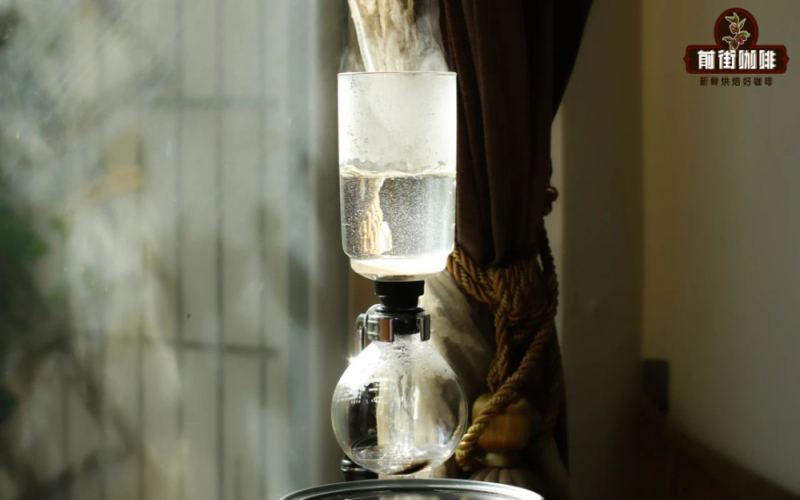
An Analysis of the Causes of Bland Siphon Coffee and a Detailed Guide to Practical Brewing Techniques
The siphon pot is no longer commonly seen in mainstream coffee shops, but its unique extraction method still attracts a group of loyal enthusiasts. When many people try to brew coffee with a siphon pot, they find that the resulting cup tastes weak and lacks complexity. The reasons behind this often involve multiple factors such as the timing of adding coffee grounds, grind size, coffee-to-water ratio, stirring technique, and the choice of heat source. Drawing on Front Street's hands-on experience, this article systematically sorts through the siphon pot's structural principles, differences in filter materials, characteristics of heat sources, the controversy over the order of adding grounds, grinding parameters, coffee-to-water ratio, and stirring methods, and includes a complete operating procedure to help readers consistently make a rich, full-bodied cup of siphon coffee at home. [more…]
The Complete Siphon Coffee Brewing Process: An Analysis of Equipment Structure, Parameter Settings, and Key Operational Points
As a coffee brewing device full of retro charm, the siphon pot is no longer the main production method in coffee shops, yet it still retains a loyal following. This article, from the perspective of Front Street Coffee, will systematically explain the siphon pot's structural principles, filter material selection, heating source types, coffee powder addition timing, grind size, and coffee-to-water ratio, along with a complete set of operating steps. Whether you are a beginner just getting to know the siphon pot or an enthusiast hoping to refine your technique, you will find practical references here. [more…]
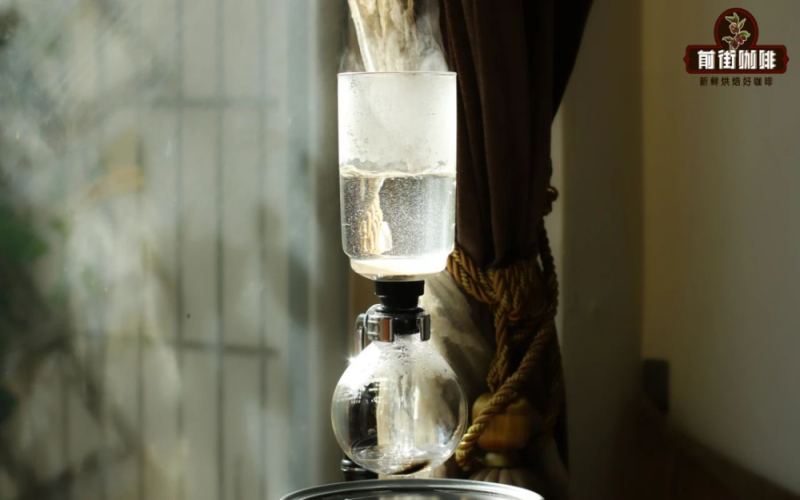
Siphon Coffee Maker Tutorial with Diagrams | Grind Size for Siphon Coffee: How Can Coffee Beginners Use a Siphon to Brew Coffee?
From today's perspective, the siphon pot is a coffee device with a strong sense of nostalgia. Many coffee shops no longer make siphon coffee, or offer it as a specialty item rather than a main product. Of course, as a siphon coffee fan, if you can't find it outside, you just make it yourself. In this article, Front Street will share about siphon coffee using language that is as simple as possible. - Hong [more…]
What Grind Size Is Suitable for Siphon Coffee? A Complete Guide to Coffee-to-Water Ratio, Stirring Technique, and Brewing Time
The siphon is a coffee brewing device full of retro charm. Although it is no longer commonly seen in coffee shops today, a group of loyal enthusiasts still insist on using it to make coffee. This article will start with the structure and principle of the siphon, then introduce the choice between cloth filters and paper filters, a comparison of heat sources, recommended coffee beans, and how to judge the order of adding grounds, the grind setting, the coffee-to-water ratio, the stirring method, and when to turn off the heat. It also includes Front Street Coffee’s usual complete operating procedure to help beginners get started quickly and make a cup of siphon coffee with rich aroma and a full-bodied taste. [more…]
A Complete Guide to Siphon Coffee Brewing: Practical Insights from Equipment Structure to Extraction Parameters
The siphon is now a rare piece of equipment in the current specialty coffee wave; many cafés no longer offer siphon coffee, or keep it only as a special single-origin offering. But for siphon enthusiasts, outside options are limited, so it is better to do it yourself. In this article, Front Street breaks down the complete siphon coffee brewing process in plain language, starting from the upper and lower chamber structure and sealing principle, comparing the trade-offs between flannel cloth filters and round paper filters, analyzing the pros and cons of three heat sources—gas stove, light-wave stove, and alcohol lamp—and delving into the disagreement between adding coffee grounds first versus later, grind size reference, recommended coffee-to-water ratio, and the tapping and stirring technique. At the end, the article includes Front Street’s usual step-by-step operating procedure, covering all stages: pouring water, inserting the upper chamber, adding coffee grounds, stirring, and turning off the heat for drawdown. It is suitable for beginners to follow step by step. [more…]
Complete Siphon Coffee Brewing Tutorial: Apparatus Structure, Filter Media Selection, Coffee Grounds Timing, and Operational Details
The siphon pot has become a rare piece of equipment in today's specialty coffee wave, with many cafés no longer offering siphon coffee, or keeping it only as a special featured item. For those who favor this brewing method, mastering a clear set of operating logic is more practical than relying on café output. Starting from Front Street's practice, this article systematically sorts out the siphon pot's construction principles, the trade-offs between cloth filters and paper filters, the choice of heat source, the divergence between adding coffee grounds first versus later, grind size and coffee-to-water ratio, stirring techniques, and the judgment of when to turn off the heat, and includes a complete reproducible brewing process to help coffee enthusiasts consistently recreate a cup of fragrant, rich, and mellow siphon coffee in their own kitchen. [more…]
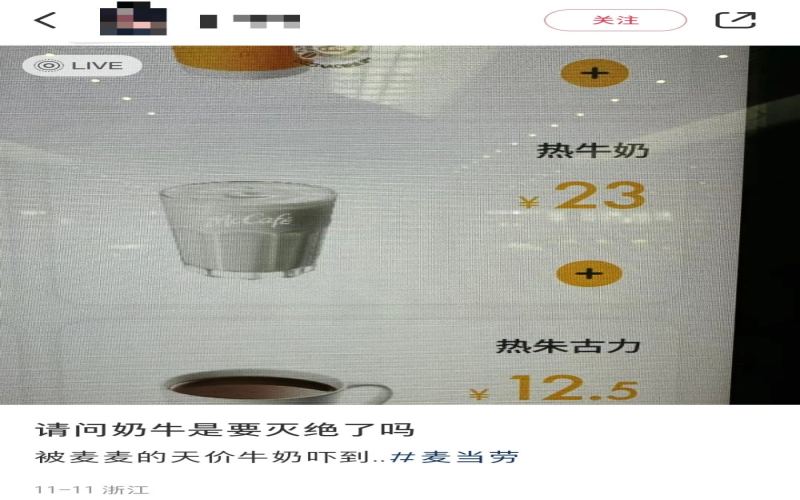
McDonald's hot milk priced at 23 yuan sparks heated discussion, with pricing at high-speed rail station outlets and differences in milk sources becoming the focus
Recently, the topic of a cup of hot milk costing 23 yuan at McDonald's trended on Weibo, jokingly dubbed by netizens as a "milk assassin." The incident originated from a complaint by a netizen on social media on November 11, which subsequently sparked widespread discussion. Some netizens shared experiences of witnessing staff opening low-priced pure milk and heating it for sale in stores, while others believed that pricing in special commercial districts like high-speed rail stations is inherently higher. Upon inquiry, McDonald's official mini-program shows that this milk comes in large, medium, and small cups, priced at 23 yuan, 19 yuan, and 15 yuan respectively, and the milk sources used in stores across different cities also vary. As coffee enthusiasts, we might as well use this incident as a starting point to discuss the pricing logic and milk source choices of chain restaurants. [more…]

The Complete Guide to Siphon Coffee Brewing: From Extraction Principles to Step-by-Step Instructions
The siphon brewer, with its laboratory-instrument appearance and unique vacuum extraction method, has long been favored by coffee enthusiasts. It first appeared in Europe, where a French woman named Marie Fanny Amelne Massot registered a trademark for it, and its classic spherical design established its iconic status among coffee brewing devices. This article will begin with the extraction principle of the siphon brewer, systematically introduce the device's structure, filtration system, and heat source selection, then move on to key steps such as coffee grind size, timing of adding coffee grounds, stirring technique, and judging when to turn off the heat, and finally provide a complete eight-step operating procedure. Front Street Coffee recommends using medium-roast beans such as Huilan, Bird of Paradise, Diamond Mountain, and Queen's Estate to highlight the rich, full-bodied flavor characteristics of siphon coffee. [more…]

How a Siphon Works | What Makes Up the Structure of a Siphon Coffee Maker? How Do You Brew Coffee with a Siphon? What Are the Key Points for Making Siphon Coffee?
The siphon pot, with its appearance resembling laboratory equipment, is a coffee brewing tool that extracts coffee by utilizing pressure changes caused by steam and the siphon principle. It first appeared in Europe, and the trademark registration for the siphon pot was owned by a French lady, Marie Fanny Amelne Massot, exquisite [more…]
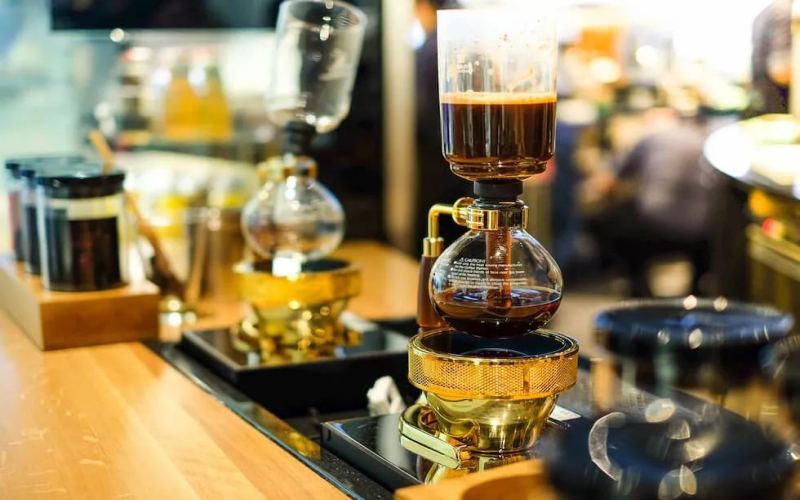
The Origin of the Syphon's Other Name "Siphon Pot" and Operating Techniques: A Full Analysis from Construction Principles to Extraction Parameters
The siphon coffee maker, also known as the syphon, originated in Germany and relies on heating the lower chamber to create pressure that pushes water up to the upper chamber to complete the extraction. It is very popular in Japan, and in recent years it has gradually attracted the attention of coffee enthusiasts in China. This article will start with the structure of the siphon and the extraction principle, introduce the choice of heat source and filter material, and use Front Street Brazil Queen's Estate coffee beans as an example to demonstrate in detail the brewing parameters and operating steps such as water temperature, grind size, coffee dose, and coffee-to-water ratio. Finally, it will recommend coffee beans suitable for siphon extraction, helping readers fully master the essentials of making siphon coffee. [more…]

The Complete Moka Pot Guide: From Bean Selection and Grinding to Brewing and Tasting
The Moka pot, with its pressurized extraction, makes it easy to brew rich, full-bodied coffee at home. As long as you choose the right coffee beans, control the grind size, and adjust the heat at the right time, you can consistently produce a satisfying cup of Moka pot coffee. This article starts with the roast level and freshness of coffee beans, explains in detail the criteria for judging grind size, and uses step-by-step illustrated instructions to demonstrate the key operations of adding water, loading coffee grounds, screwing the pot together, heating, controlling the flame, and stopping the extraction. In addition, the article also provides various ways to drink it, such as Americano, latte, and Vietnamese-style, and offers adjustment suggestions for over-extraction and under-extraction, helping coffee lovers quickly master how to use a Moka pot. [more…]
Siphon Coffee Brewing Guide: Extraction Principles, Suitable Bean Types, and Coffee-to-Water Ratio Analysis
The siphon pot, with its unique distillation-style extraction, delivers a fuller, more robust mouthfeel and richer aroma than pour-over. From the perspective of Front Street, this article systematically breaks down the siphon pot's extraction principles, structural components, and suitable coffee bean types, and offers a detailed analysis of key parameters such as the coffee-to-water ratio, timing of adding grounds, stirring technique, and judging when to cut off the heat. It also includes a complete eight-step operating procedure to help coffee enthusiasts consistently reproduce at home a cup of siphon coffee that combines nutty notes with a full body. Whether you are a beginner just getting to know the siphon pot or an experienced player looking to refine your technique, you will find practical, actionable advice here. [more…]

Moka Pot Coffee Maker Usage Illustrated Guide | How to Determine the Grind Size of Coffee Powder for Moka Pot? Can a Moka Pot Be Used on an Induction Cooker? Which Coffee Bean Varieties Are Suitable for Moka Pot?
The method for using a moka pot isn't complicated. Front Street believes that as long as you find the right coffee beans, make sure the grind size is correct, and then turn off the heat at the right time, you can easily make a delicious cup of moka pot coffee. Without further ado, Front Street will now demonstrate the specific method for using a moka pot. What type of coffee beans are suitable for a moka pot? [more…]

A Beginner's Guide to the Bialetti Moka Pot: Key Operating Points and Suitable Coffee Bean Choices
The Bialetti moka pot, with its rich extraction style, has become the top choice for many coffee lovers at home. However, from pouring water, distributing the grounds, to heating and removing from the heat, every step hides details; improper operation not only affects the flavor but may also pose safety hazards. This article will systematically walk friends new to the moka pot through the complete usage process, including key points such as water level control, grind size selection, and heat adjustment, while also answering the question of what kind of coffee beans go well with a moka pot. The article will also recommend a Front Street classic Italian blend bean highly praised by connoisseurs, helping you easily extract a rich, crema-topped espresso. [more…]
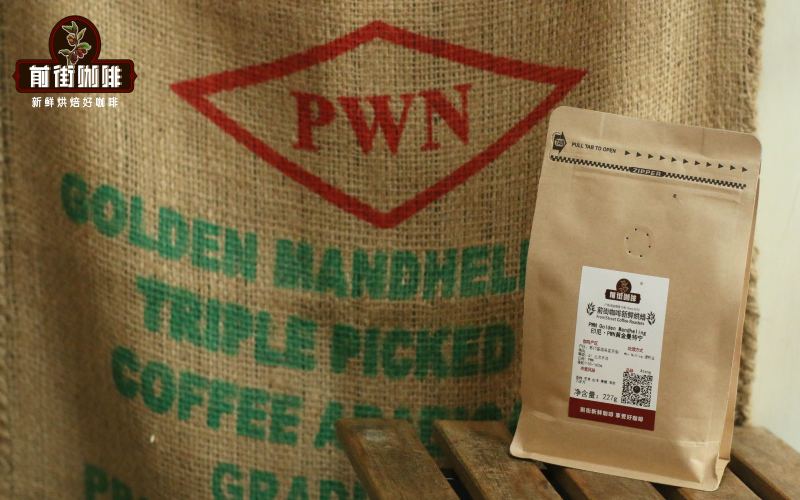
How exactly should Golden Mandheling be roasted and enjoyed? A full analysis from the PWN trademark to moka pot iced latte
Golden Mandheling is not a coffee grade, but a registered trademark held by the Indonesian company PWN—founded in 1957, it was the first company in Indonesia to export coffee from North Sumatra and a key force behind making Mandheling famous in Japan. Front Street Golden Mandheling comes precisely from PWN, belongs to the highest grade G1, undergoes more than three rounds of hand sorting, has a screen size of 18 and above, and is controlled to no more than 3 defective beans per 300 grams of green beans. This bean has a relatively high moisture content, so extra care is needed during the dehydration phase when roasting. This article will comprehensively sort out the roasting curve from bean charging, dehydration, first crack, to discharge, and explain in detail how caramelization and pyrolysis reactions shape the flavor, and finally include the full process for making an iced latte with a moka pot. [more…]
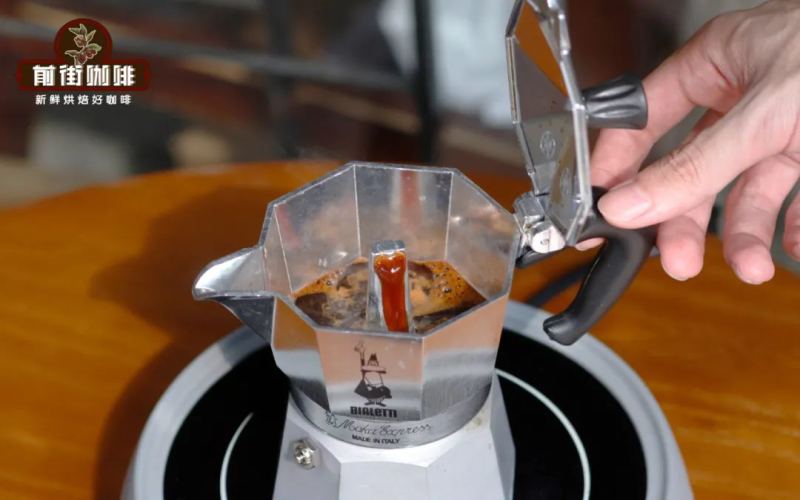
A Beginner's Guide to the Moka Pot | How Do You Brew Coffee with a Moka Pot? How Does a Moka Pot Work? Which Coffee Beans Are Best for Brewing with a Moka Pot?
In the past, espresso machines were not that common in households, while moka pots were inexpensive and could still produce a fairly concentrated coffee liquid—that is the reason for the moka pot's existence. As coffee has become more and more popular, the moka pot, as an affordable coffee device, has gained widespread popularity. More and more [more…]
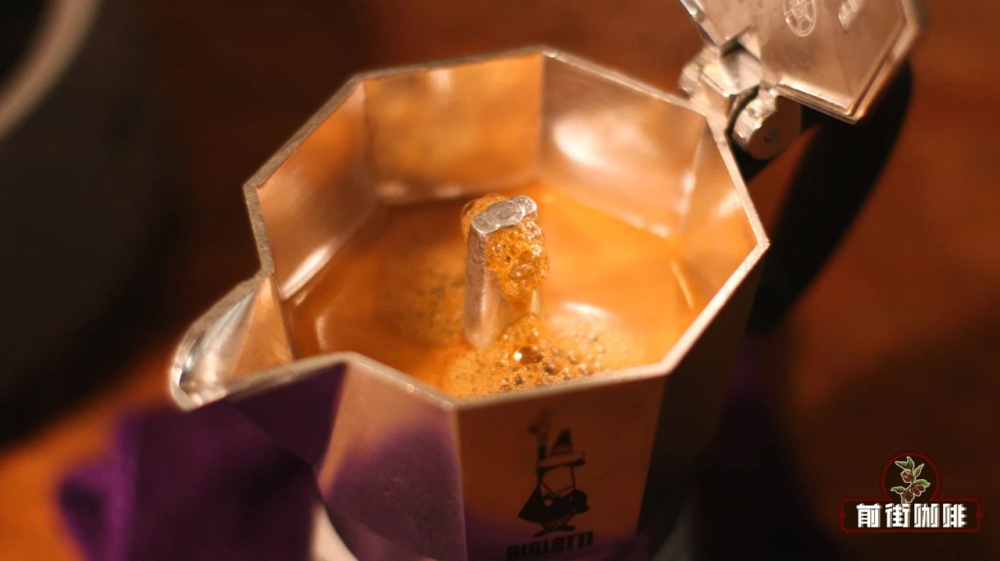
Moka Pot Coffee Grind | How Does Coffee Grind Size Affect the Crema, Flavor, and Mouthfeel of Coffee Brewed in a Moka Pot? Step-by-Step Guide to Brewing Black Coffee with a Moka Pot
Coffee brewed with a moka pot is stronger, which is the result of a fine grind and pressure extraction, but many people find the grind size for the coffee grounds very difficult to get right. Compared with other brewing methods, the coffee grounds used in a moka pot actually do not have such high demands on the grind! Finer than the extremely fine particles of espresso [more…]
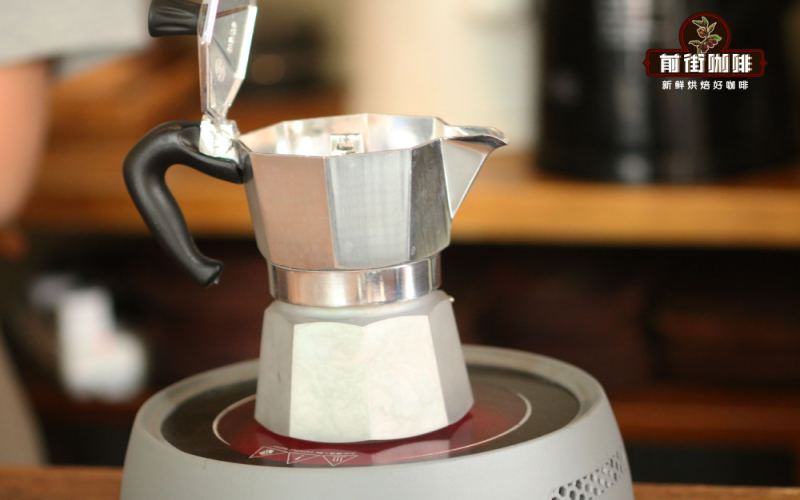
Does Moka Pot Extraction Count as Espresso? A Full Analysis of Dose, Grind Size, and Operation Details
The moka pot is a classic symbol of Italian coffee culture and also a substitute for many households that don't have an espresso machine. But does the coffee it brews actually count as espresso? How much ground coffee should go in a cup, how fine should the grind be, and how should the heat be controlled? This article starts from the structure and working principle of the moka pot, explains its essential differences from modern espresso in terms of pressure and temperature, and provides practical parameters such as coffee dose, grind size, and bean selection. It also includes complete operating steps and common questions about crema, helping you consistently brew a rich, delicious cup with a moka pot. [more…]

Late-night coffee aroma wafts through Shanghai, sparking heated discussion; multiple departments respond it's not a factory incident, tracing the source
In the early hours of May 17, 2021, residents in several districts of Shanghai reported on Weibo that a rich coffee aroma was drifting through the air. Some thought a neighbor was brewing coffee, while others suspected a family member was secretly drinking coffee late at night. This mysterious scent smelled like instant coffee, mixed with burnt and sesame oil notes. Subsequently, rumors spread online that a flavoring factory in Minhang District had experienced a gas leak, with speculation that the leaked substance was furfuryl mercaptan. Shanghai's fire and ecological environment departments responded that they had not received any reports of related accidents and had launched an investigation, but no abnormalities were found at the scene, and the source is still under verification. As a "city of coffee" with nearly 8,000 coffee shops, Shanghai's real-life coffee aroma diffusion incident has sparked widespread attention. [more…]
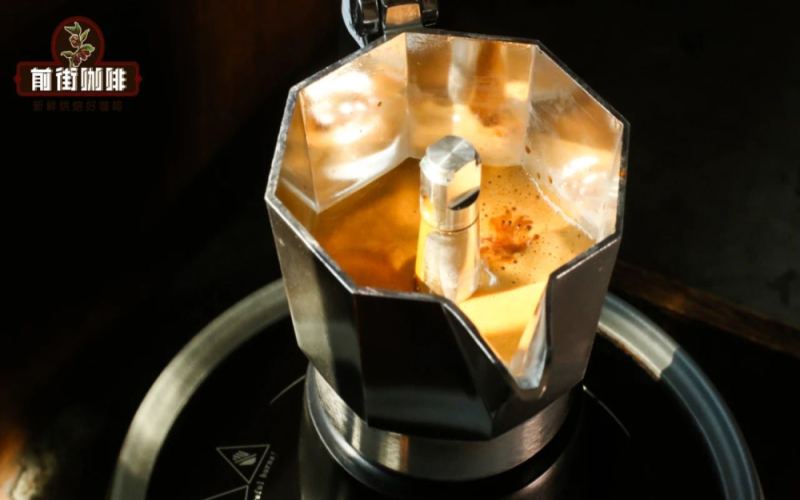
Moka Pot Brewing Troubleshooting: How to Choose Between Aluminum and Stainless Steel Models, and How to Do Daily Cleaning and Maintenance
The moka pot is a common tool for many coffee lovers brewing espresso at home, but during operation, problems such as poor flow, overly bitter or sour taste, or almost no crema are often encountered. This article focuses on the practical use scenarios of the moka pot, organizing the complete process from material selection, heating methods to extraction parameters and post-brew cleaning, and provides troubleshooting ideas for common faults. The article also combines the production experience of Front Street Coffee to explain the key points of coordination among coffee grounds amount, water amount, grind size, and heat level, helping readers more consistently make a cup of rich-bodied moka pot coffee. [more…]